


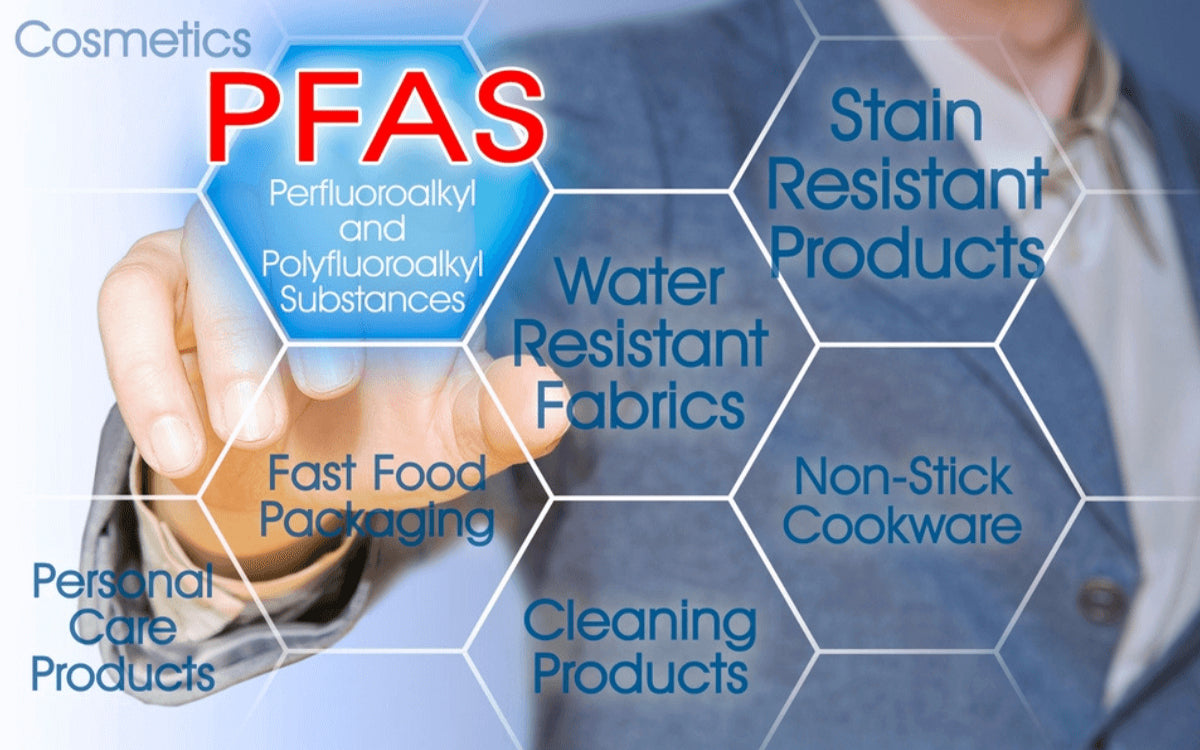
What Are PFAS in Tap Water? A Simple Guide for Safer Everyday Drinking Water
Learn what PFAS are, how they may enter tap water, why families are paying more attention to “forever chemicals,” and how the right water filtration system can help reduce everyday exposure.
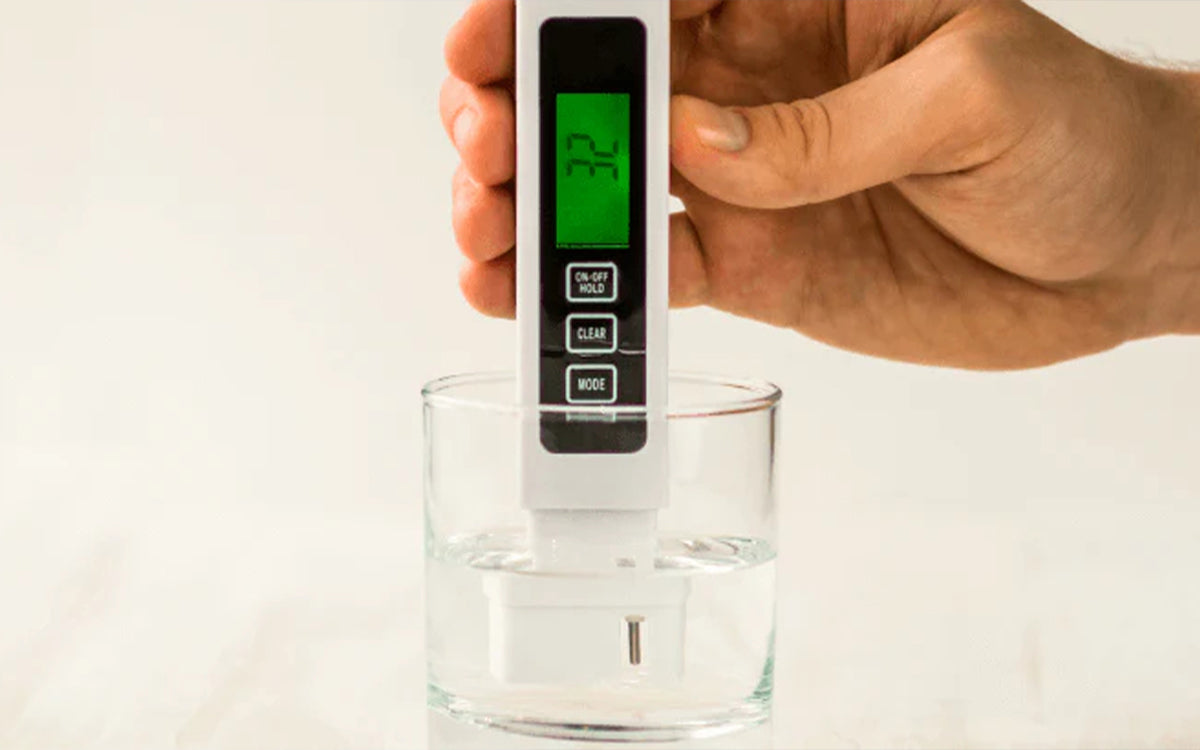
What Is TDS in Water? Why a TDS Meter Doesn’t Tell the Whole Story
Learn what TDS means, how to measure it, why a TDS meter does not prove whether water is safe, and why many non-RO water filters do not significantly reduce TDS.
Does Water Expire? What to Know About Bottled Water, Tap Water, and Filtered Water
Does water expire? Learn why bottled water has dates, how tap water should be stored, and how home filtration can help you enjoy fresher water every day.
Do You Really Need Reverse Osmosis for City Tap Water?
Do you really need reverse osmosis for city tap water? Learn when RO makes sense, when a non-RO filter may be enough, and how LCF UF, countertop, and gravity-fed systems fit everyday municipal water needs.
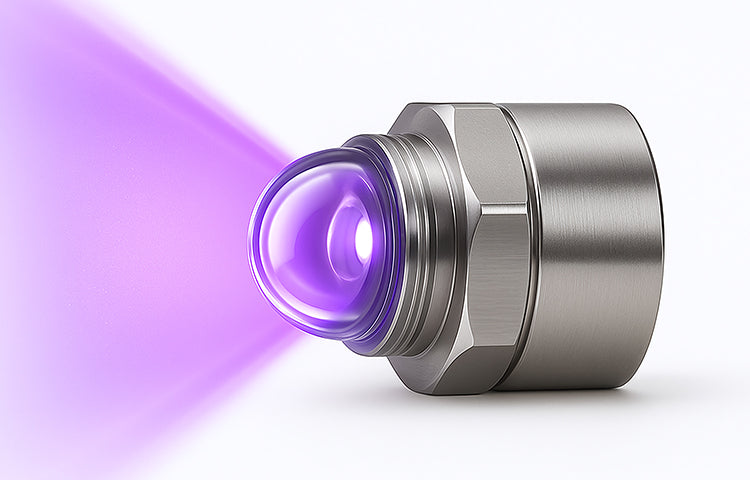
What Is UV-C Water Sterilization? How LCF-GT-UV Adds an Extra Layer of Protection
Learn the difference between UV-A, UV-B, and UV-C light, how UV-C helps inactivate microorganisms, and why LCF-GT-UV adds UV-C technology to a gravity-fed water filter system.
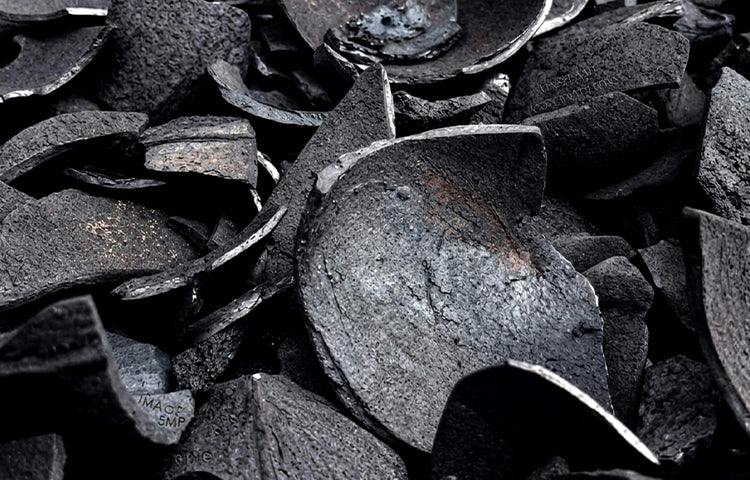
Coconut Shell Activated Carbon and Iodine Value: Why Filter Media Quality Matters
Learn what activated carbon is made from, what iodine value means, and why LCF uses high-iodine coconut shell activated carbon for better everyday tap water taste and odor.
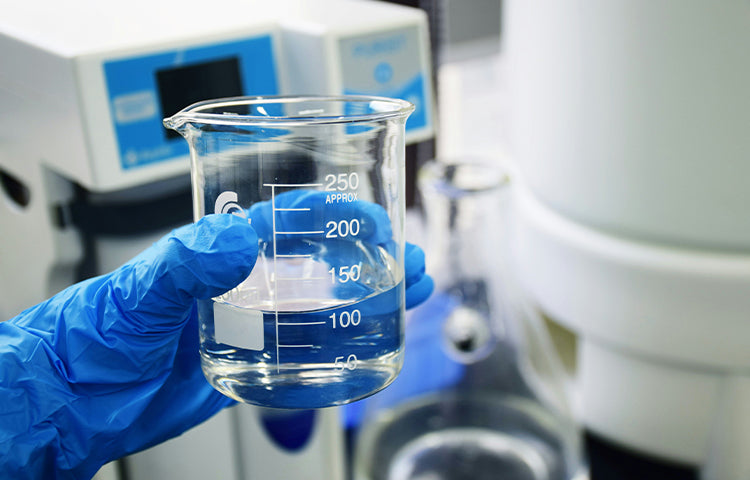
Chlorine vs. Chloramine in Tap Water: What’s the Difference?
Learn the difference between chlorine and chloramine in tap water, why cities use them, why your water may taste or smell different, and how to choose the right home water filter.
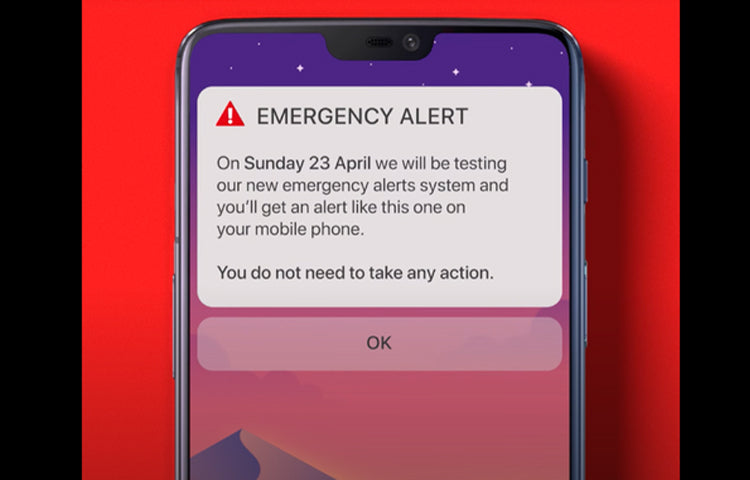
How to Read a Local Water Quality Notice: A Simple Guide for U.S. Households
Learn how to read a local water quality notice, what different water advisories mean, what actions to take, and how to know when your tap water is safe again.
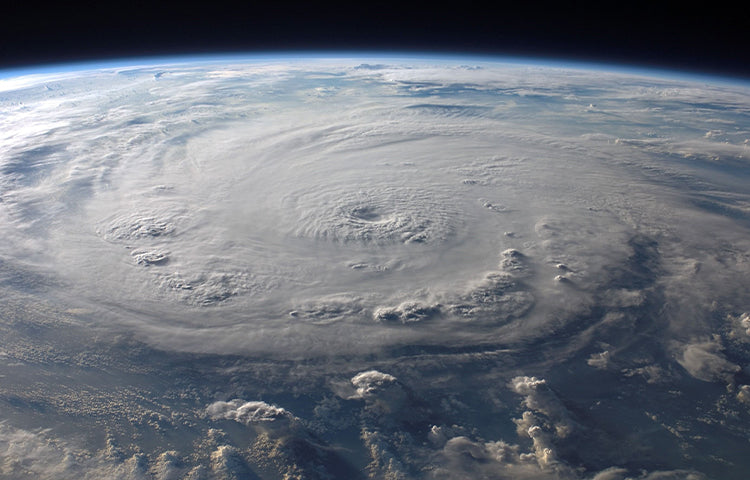
Drinking Water Safety During Hurricane Season: What U.S. Families Should Know
Learn how to keep drinking water safe during hurricane season, when to use bottled or boiled water, what to do after flooding, and how home water filters fit into your emergency plan.
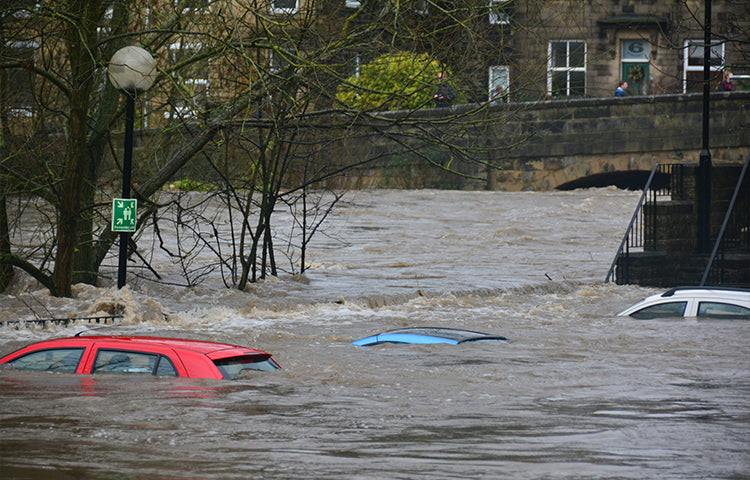
Why Does Tap Water Smell Bad After Heavy Rain?
Tap water can smell different after heavy rain because of runoff, organic matter, chlorine changes, sewer overflows, or disturbed pipes. Learn what the smell may mean and when to use caution.
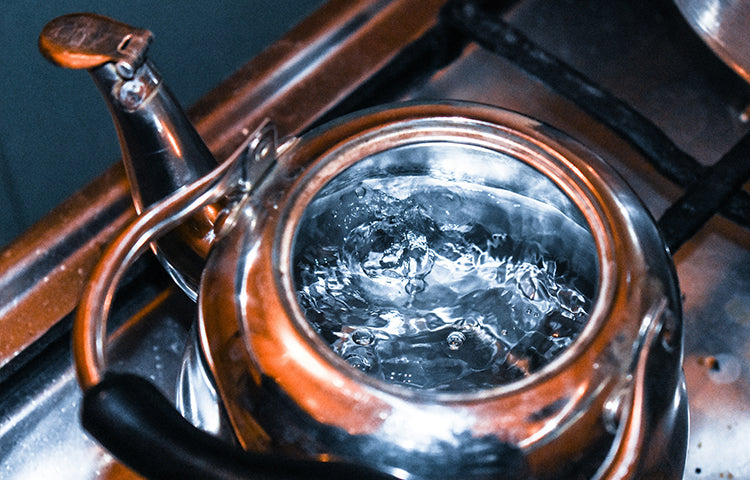
Is Tap Water Safe After a Flood? What U.S. Families Should Know
Is tap water safe after a flood? Learn when to use bottled or boiled water, what to do with private wells, whether filters can help, and how to return to normal water use safely.
Best Countertop Water Filters for Apartments and Renters
Looking for the best countertop water filter for an apartment or rental home? Learn what renters should look for, what countertop filters can do, and how to choose a no-drilling water filtration system for everyday use.
What to Do If Lead Is Found in Your Tap Water
Learn what to do if lead is found in your tap water, how to reduce exposure, when to test your water, and what to look for in a lead-reduction water filter.
U.S. Tap Water Quality by Region: What Families Should Know
Tap water quality can vary by region across the United States. Learn common water concerns by area, how to check your local water report, and how to choose a practical home filtration solution.
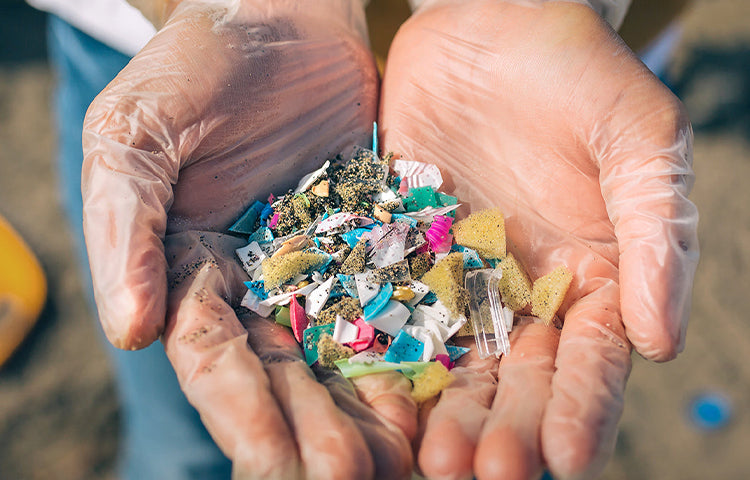
Microplastics in Drinking Water: What Families Should Know
Learn what microplastics are, how they may enter drinking water, why bottled water is not always the better choice, and how home water filtration can help reduce everyday exposure.
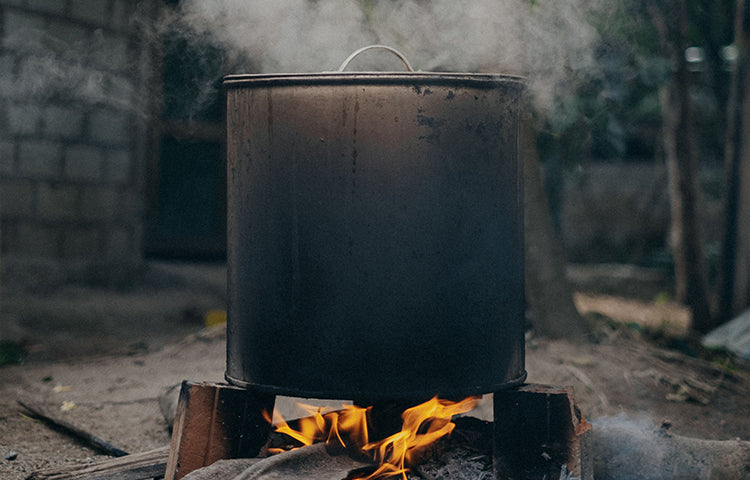
What to Do During a Boil Water Advisory: A Practical Guide for U.S. Households
Learn what a boil water advisory means, when to use boiled or bottled water, what not to do, and how to safely return to normal water use after the advisory is lifted.
Boil Water Advisory vs. Do Not Drink Advisory: What’s the Difference?
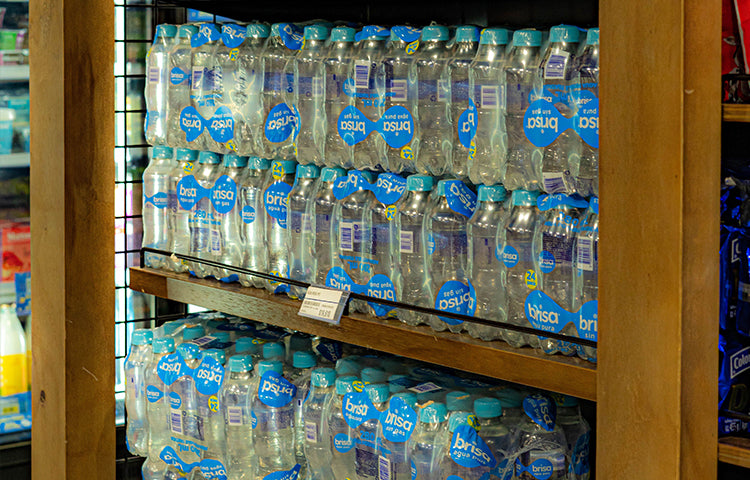
Learn the difference between a boil water advisory and a do not drink advisory, what each warning means, when boiling water helps, and when bottled water is the safer choice.